

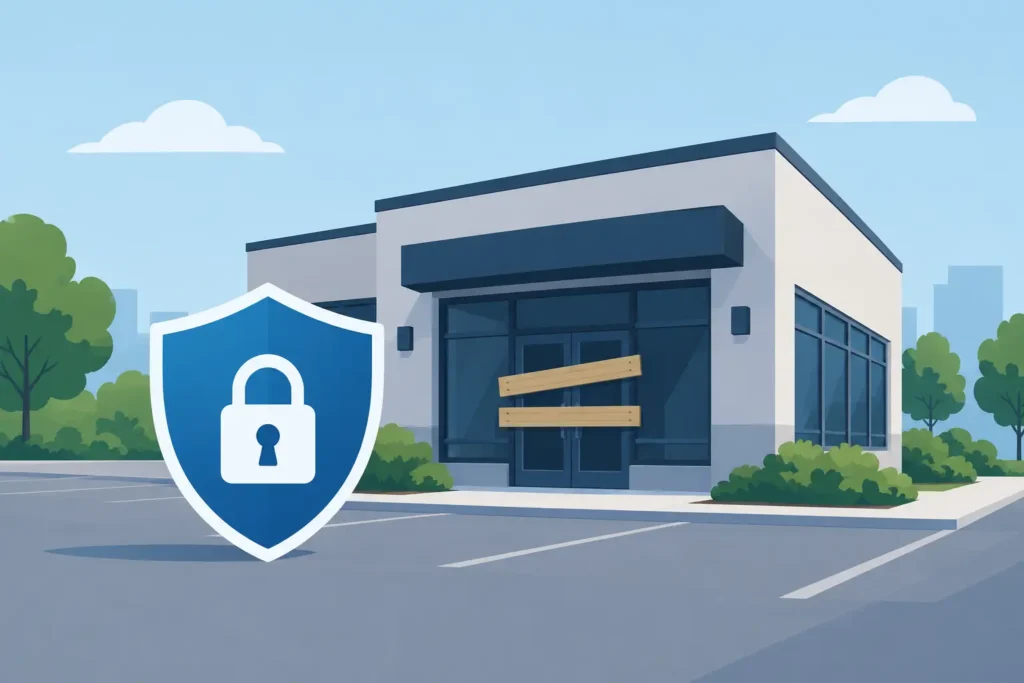
A vacant building can become a target within days, not months. A dark storefront, empty office, unoccupied home, or idle job site signals opportunity to trespassers, thieves, vandals, and arsonists. Knowing how to secure vacant properties means treating the site as an active security operation, even when no one is working or living there.
The strongest approach combines physical hardening, visible deterrence, intelligent detection, and a clear response plan. Locks alone are rarely enough. Cameras that no one monitors are not enough either. Vacant-property security works when each layer supports the next and someone is accountable for acting when an issue occurs.
Start With a Property-Specific Risk Assessment
No two vacant properties face the same risks. An empty retail unit in a busy commercial district may be vulnerable to break-ins after closing. A vacant residence may attract squatters or copper theft. An industrial site can have exposed equipment, multiple entry points, and costly materials left behind. Construction sites introduce further concerns, including open structures, temporary power, and changing access conditions.
Walk the property inside and out before deciding what protection it needs. Look for unsecured doors, damaged fencing, poorly lit areas, roof access, blind spots, overgrown landscaping, unsecured dumpsters, and signs that the site has already drawn attention. Graffiti, attempted entry marks, discarded packaging, and repeated false-alarm activity can all point to a growing problem.
The assessment should also identify what must be protected. That may include inventory, tools, copper wiring, HVAC equipment, documents, appliances, fixtures, computers, or sensitive records. In some cases, the greatest exposure is not theft. Water damage, fire, vandalism, liability claims, or delayed discovery of a break-in can create the most significant loss.
Secure the Building Envelope First
A monitored camera system is valuable, but it should not compensate for weak doors, windows, gates, or exterior conditions. Begin by making entry difficult and obvious.
Use commercial-grade locks, reinforced strike plates, protected hinges, and properly secured window hardware. Boarded windows can be appropriate for some properties, but poorly installed boards may advertise that a building is empty. In higher-risk areas, purpose-built security panels or shutters can offer stronger protection and a more professional appearance.
Pay close attention to secondary access points. Rear doors, loading bays, roof hatches, basement entrances, utility rooms, and service corridors are often overlooked. Secure ladders, remove loose materials that could help someone climb, and lock or disable access to electrical panels, mechanical rooms, and exterior storage areas.
For properties with a perimeter, gates and fencing should direct people toward controlled entry points rather than simply mark a boundary. Repair gaps promptly, keep vegetation trimmed away from fence lines, and use clear signage to establish that access is restricted and the site is monitored.
Use Lighting and Surveillance to Create Visible Deterrence
Most opportunistic intruders prefer privacy, darkness, and time. Good exterior lighting removes some of that advantage. Illuminate entrances, walkways, parking areas, loading zones, alley access, and other likely approach routes. Motion-activated lighting can be effective, although steady lighting may be better for areas where consistent camera footage is essential.
High-definition CCTV adds visibility, but camera placement matters more than camera quantity. A useful system covers entry and exit points, key exterior approaches, valuable assets, and interior routes an intruder would likely use. Cameras mounted too high, pointed at bright lights, or blocked by trees may record activity without providing usable evidence.
AI-powered video analytics can add another layer of control by distinguishing meaningful activity from routine movement. Instead of receiving repeated alerts for rain, shadows, or passing vehicles, the system can be configured to flag people entering restricted areas, vehicles stopping at unusual hours, or activity near protected assets. The goal is faster awareness without creating an alert stream that staff will start ignoring.
Visible cameras and monitoring signs can deter some incidents before they begin. Still, deterrence should never be the only plan. A determined intruder may cover a camera, cut power, or enter through a location that was not considered during installation.
Connect Intrusion Detection to a Real Response Plan
An alarm system should do more than make noise after someone gets inside. Door contacts, glass-break sensors, motion detectors, gate sensors, and tamper devices can identify an intrusion early, especially when they are integrated with surveillance and remote monitoring.
The critical question is what happens after an alarm activates. If notifications go only to an owner who is traveling, asleep, or managing other responsibilities, valuable time can be lost. Professional 24/7 monitoring creates a defined escalation path. Trained operators can verify the event through video where available, contact designated stakeholders, dispatch security personnel, or request emergency services based on the established protocol.
This response process should be documented before an incident occurs. Identify who has authority to make decisions, who has keys or access credentials, when law enforcement should be contacted, and how the property owner will receive updates. For commercial properties, include after-hours contacts for facilities, management, insurance, and any tenant representatives who may need to be notified.
Control Access and Remove Unnecessary Opportunity
Vacant does not mean no one needs access. Contractors, cleaners, inspectors, real estate professionals, maintenance teams, and prospective tenants may all need to enter. The risk comes from informal access practices, shared keys, and no record of who was on site.
Electronic access control can provide a clearer picture. Temporary credentials can be issued for specific people, dates, and doors, then removed when work is complete. This is more secure than leaving a key in a lockbox or rekeying a property every time a vendor changes. For smaller sites, a managed key-control process may be enough, provided keys are inventoried, signed out, and recovered promptly.
Remove attractive items whenever practical. Tools, electronics, small appliances, copper, and portable equipment should not be left visible through windows or stored in unsecured areas. Empty the mail, remove flyers, keep trash contained, and maintain the exterior. These basic measures reduce the obvious signals that no one is watching the property.
Schedule Physical Checks for Conditions Technology Cannot See
Remote monitoring provides continuous awareness, but it does not replace every on-site task. A physical patrol or inspection can identify a leaking pipe, storm damage, broken window, failing light, hazardous debris, or a door that did not latch correctly. It can also confirm that contractors followed access procedures and that the property remains secure after a service visit.
Inspection frequency depends on the property and its risk profile. A remote seasonal home may require scheduled checks after severe weather. A vacant retail unit in a high-traffic area may need more frequent patrols, especially overnight or on weekends. Construction sites and properties with valuable equipment may need mobile patrols or on-site guards during higher-risk periods.
Guards can be particularly useful when a property is exposed to repeat trespassing, active vandalism, labor disputes, major renovations, or a known threat. Their value is not just their presence. A trained officer can observe changing conditions, document incidents, control access, and respond immediately while coordinating with monitoring personnel and law enforcement.
Maintain the System Until the Property Is Occupied Again
Vacant-property security is not a one-time setup. Batteries fail, vegetation grows, construction changes camera views, contractors leave gates open, and access needs evolve. Test alarms, review camera footage, confirm that notification lists are current, and inspect the site after storms or significant work.
It is also wise to review insurance requirements. Some policies have specific conditions for vacant or unoccupied buildings, including inspection frequency, heat maintenance, water shutoff procedures, or notification requirements after a defined period. Failing to meet those conditions can complicate a claim when protection is needed most.
Maritect Investigations & Security Limited designs integrated vacant-property protection around the site, its risks, and the level of response required. That may include AI-enabled video surveillance, intrusion detection, remote monitoring, access control, mobile patrols, or on-site guarding working together under one clear plan.
A vacant property should never be left to look abandoned. With the right layers in place, it can remain visible, controlled, and ready for its next use while you protect the assets and people connected to it.
