

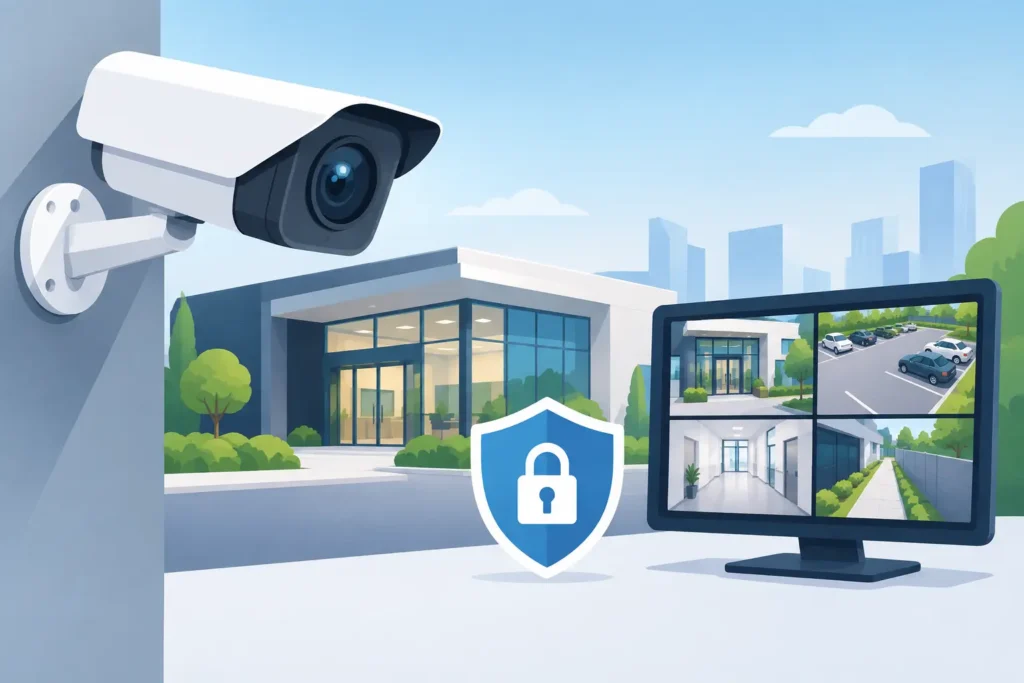
A camera that records an incident after the fact is useful. A security system that identifies a person entering a restricted area, alerts the right team, and preserves clear evidence can prevent a small concern from becoming a costly disruption. That is the difference professionally designed video surveillance systems can make for homes, businesses, facilities, and high-risk sites.
For property owners and operators, surveillance is not simply about placing cameras on walls. It is about maintaining visibility where people, assets, operations, and liability are most exposed. The right system gives you a reliable view of what is happening, while the right response plan determines what happens next.
What Modern Video Surveillance Systems Should Do
Modern surveillance has moved well beyond grainy footage and a recorder stored in a back office. High-definition cameras, remote access, video analytics, and secure recording can help owners and managers see more clearly and act faster.
A well-planned system should document activity at key points such as entrances, loading areas, parking lots, cash-handling locations, hallways, gates, and perimeter boundaries. It should also make footage practical to retrieve when an incident occurs. If staff must search through hours of video to find a single event, the system is not delivering the operational value it should.
AI-powered video analytics can add another layer of awareness. Instead of sending alerts for every movement caused by weather, headlights, or passing traffic, analytics can be configured to recognize relevant activity, such as a person entering a restricted zone, a vehicle approaching a gate after hours, or an object left in an unusual location. The goal is not more notifications. The goal is better notifications.
That distinction matters when a facility is busy, staffing is limited, or incidents occur outside normal operating hours. A useful alert gives someone enough context to decide whether the situation requires remote verification, a call to site personnel, dispatch of a guard, or emergency services.
Start With the Risks, Not the Camera Count
The most effective security design begins with a site assessment. Two locations with the same square footage can need very different coverage based on their layout, hours, traffic patterns, inventory, and risk profile.
A retail store may need clear views of entrances, point-of-sale areas, stock rooms, and delivery doors. An industrial property may place greater emphasis on vehicle gates, equipment yards, perimeter lines, and remote buildings. An office may require coverage around visitor access, reception, parking, and sensitive records areas. At a residence, priorities may include driveway access, entry points, detached structures, and areas where privacy must be carefully protected.
Camera placement is more important than simply adding more devices. A camera aimed at a doorway may show that someone entered, but a properly positioned camera can also capture a usable facial image, direction of travel, and activity around the door. Lighting, mounting height, weather exposure, distance, and network availability all affect results.
There are trade-offs. Wide-angle views cover larger areas but may provide less facial detail at a distance. Cameras with stronger low-light performance may be necessary for parking lots or exterior paths, while infrared illumination can be valuable in locations with little or no ambient light. Pan-tilt-zoom cameras offer flexible coverage, but fixed cameras often provide more consistent evidence for a specific doorway, lane, or work area.
Build Surveillance Into a Complete Security Plan
Video is most valuable when it works with the rest of your security program. A camera can show that a door was opened. An integrated access control system can identify which credential was used and when. An alarm can notify a monitoring team of an unauthorized opening, while video verification helps determine whether there is an actual threat.
This connected approach improves accountability and reduces uncertainty. It can also support faster investigations after theft, vandalism, workplace incidents, unauthorized access, or disputes involving deliveries and visitors.
For many organizations, the strongest design combines several protective layers:
- Video coverage for visibility, evidence, and incident review
- Alarm detection for unauthorized entry, tampering, or other critical events
- Access control to manage who can enter protected areas
- Professional monitoring and response procedures for after-hours coverage
Each layer has a different purpose. Cameras do not replace access control, and alarms do not replace human judgment. Together, they give decision-makers better information and more options when something happens.
Remote Monitoring Changes the After-Hours Equation
Many security concerns arise when a property is closed, lightly staffed, or difficult to reach. A video system connected to 24/7 remote monitoring provides more than a notification on a phone. It creates a process for evaluating an event when there may be nobody onsite to do so.
When an alarm or analytic alert is received, trained personnel can review available video, follow established instructions, and escalate when appropriate. Depending on the situation, that may include contacting a keyholder, dispatching guard support, or notifying emergency services. This can help avoid unnecessary responses to false alarms while ensuring genuine concerns receive prompt attention.
Remote monitoring is especially useful for vacant properties, construction sites, warehouses, vehicle yards, multi-location businesses, and facilities with limited overnight staffing. It also gives managers confidence that a notification will not sit unanswered because someone is in a meeting, asleep, traveling, or unable to access the system.
A monitoring plan should be tailored to the property. A medical office, for example, may need specific procedures for sensitive areas and after-hours access. A distribution center may need escalation rules for truck gates, loading zones, and high-value inventory. The right protocol reflects the real operation, not a generic checklist.
Choose Features That Support Daily Operations
A surveillance system should be easy enough for authorized staff to use without becoming a daily technical burden. That means selecting features based on how the property operates and who will need access to footage.
Remote viewing can help managers check a site while offsite, but permissions should be controlled carefully. Not every employee needs access to every camera or recording. User roles, strong passwords, secure networks, and audit trails help protect the system itself from misuse.
Retention time also deserves attention. Some incidents are reported immediately, while others come to light days or weeks later. The amount of storage needed depends on camera count, resolution, recording schedules, motion activity, and organizational requirements. Continuous recording may be appropriate for a high-risk area, while event-based recording may be suitable for lower-risk locations. Neither approach is automatically better. The decision should reflect the risk, the need for evidence, and the available storage capacity.
It is also wise to plan for system health. Cameras can become obstructed, damaged, disconnected, or misaligned. A recorder can lose capacity. Network changes can interrupt remote access. Proactive maintenance and tamper monitoring help identify issues before an incident reveals that critical footage is missing.
Privacy, Policy, and Evidence Matter
Surveillance should protect people and property without creating unnecessary privacy concerns. Camera locations, signage, access permissions, and retention practices should reflect applicable laws and the expectations of employees, tenants, visitors, and residents.
Generally, cameras should focus on legitimate security needs rather than private spaces. Audio recording, facial recognition, and advanced analytics may involve additional legal and policy considerations. Organizations should establish clear internal procedures for who can view footage, when it can be shared, and how evidence is preserved after an incident.
For businesses, this is not only a compliance issue. Clear policies help employees understand that surveillance is part of a defined safety and security program, not an unclear or inconsistent practice. When video is needed for an investigation, reliable timestamps, secure storage, and controlled access make the footage more useful.
Professional Design Delivers Better Coverage
A do-it-yourself camera kit may be adequate for a simple, low-risk location. However, larger properties, multi-site operations, sensitive facilities, and high-value environments benefit from professional assessment, installation, integration, and ongoing support.
Maritect Investigations & Security Limited designs security programs around the realities of each site, combining AI-enabled CCTV, alarms, access integration, monitoring, and protective services when needed. This approach helps clients avoid common gaps, such as blind spots at delivery doors, poor nighttime coverage, inadequate storage, or alerts with no defined response.
The right provider should ask practical questions before recommending equipment: What must be protected? When is the site most vulnerable? Who needs to receive alerts? What level of evidence is required? How will the system be maintained? Those answers shape a system that supports both daily operations and incident response.
Security is not measured by the number of cameras on a floor plan. It is measured by whether your property can see the right event, notify the right people, and support the right response when it matters most.
